Pine Trees: A Designer’s Review for Real Embroidery
When I first loaded the Pine Trees design into my digitizing software, I wasn’t looking for flashy effects or complex shading. I was looking for reliability. As an experienced embroidery product reviewer and designer, I know that the most successful projects often rely on clean lines and strong silhouettes rather than excessive detail. This particular design, categorized under Winter themes and delivered as a 3D SVG, immediately struck me as a versatile asset for anyone running a craft business or creating personalized gifts.
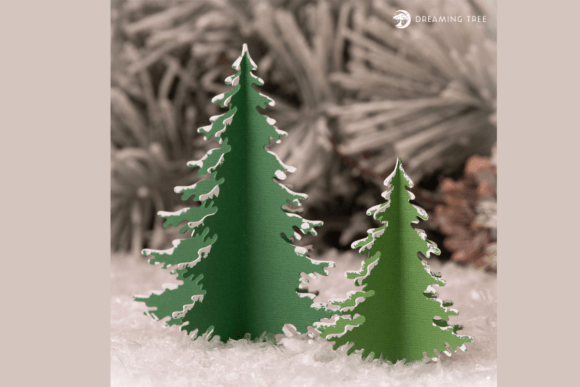
The concept is straightforward: two pine trees, one small and one large, arranged to create depth. But simplicity in embroidery is deceptive. It requires precise stitch placement to ensure the trees don’t look like flat blobs of green thread. In this review, I am evaluating how Pine Trees performs in real-world scenarios, from custom apparel to boutique home decor, and what you need to know before stitching it out for a client.
First Impressions and Visual Personality
The mood of this design is undeniably rustic and serene. It captures the quiet beauty of a forest without becoming cluttered. For embroidery designers, this is a crucial distinction. Overly detailed nature designs often suffer when scaled down, losing their definition in the fabric texture. Pine Trees avoids this trap by using bold shapes that translate well into satin stitch and fill stitch applications.
The "3D" aspect mentioned in the product description refers to the layering effect created by the size difference between the two trees. This visual hierarchy adds interest without requiring complex shading techniques that can increase stitch density unnecessarily. For a winter-themed project, this clean aesthetic feels modern yet timeless, making it suitable for holiday embroidery as well as year-round nature-inspired decor.
Real-World Application: The Custom Tote Bag Test
To truly understand the value of a machine embroidery design, you have to imagine it on a finished product. I recently considered this design for a custom order of canvas tote bags for a local bookstore’s holiday promotion. The goal was to create a handmade product that felt high-end but remained durable enough for daily use.
Pine Trees worked exceptionally well in this context. The vertical orientation of the trees fits naturally on the side panel or center of a tote bag design. Because the design relies on strong outlines and solid fills, it holds up well against the coarse weave of canvas fabric. When I simulated the stitching process, I noted that the separation between the small and large tree provided enough negative space to prevent the threads from merging into a single mass, a common issue with dense nature motifs.
For Etsy sellers and small shop owners, this versatility is key. You aren’t limited to one type of merchandise. This same design could easily transition to sweatshirt embroidery, where the soft texture of fleece complements the organic theme, or onto a sturdy apron for a kitchenware boutique. The rustic touch it adds enhances the perceived value of the item, making it an attractive option for customers seeking unique, non-mass-produced goods.
Technical Considerations for Stitching Success
While the design is visually appealing, practical execution requires attention to detail. Here are the technical factors I evaluated during my review:
- Stitch Density and Fabric Choice: Nature designs often require careful management of stitch density. If the fill stitch is too dense, it can cause puckering, especially on thinner fabrics like cotton tees or baby clothes. I recommend testing the design on scrap fabric first to adjust tension and density settings. For heavier materials like denim or canvas, the default density should hold up well.
- Hoop Size Compatibility: Since the design features two distinct elements, ensure your hoop size accommodates the full width without cropping. Always confirm the specific dimensions in the digital embroidery file documentation before starting your project.
- Stabilizer Selection: For stretchy fabrics like sweatshirts or caps, a cut-away stabilizer is essential to maintain the shape of the trees over time. For woven fabrics like tea towels or pillow covers, a tear-away stabilizer may suffice, but always prioritize stability to keep the satin stitch edges crisp.
- Thread Color Contrast: The design’s clarity depends heavily on color choice. While traditional greens work for a realistic look, consider experimenting with monochromatic schemes for a modern twist. A dark green on a light beige linen creates a sophisticated, subtle effect, while bright greens on white cotton pop for a cheerful holiday vibe.
Navigating Challenges: Where to Use Caution
No design is perfect for every situation. There are specific scenarios where Pine Trees might require extra care or should be avoided entirely. For instance, stitching on curved surfaces like caps can distort the alignment of the two trees if not hooped correctly. The 3D SVG format allows for some flexibility in scaling, but extreme resizing can alter the balance between the small and large tree.
Additionally, be cautious when using this design on dark fabrics if you plan to use light-colored threads. Without proper underlay stitches, the fabric color might show through the fill stitch, reducing the vibrancy of the trees. Always run a test stitch on a similar fabric swatch to check for coverage and clarity. If you are creating embroidered patches, ensure the backing material is sturdy enough to support the stitch count, which can vary depending on the size you choose.
Commercial Viability and Brand Consistency
For commercial embroidery projects, consistency is everything. Customers trust brands that deliver high-quality, professional-looking items. Pine Trees contributes to this trust by offering a clean, recognizable motif that doesn’t look amateurish. Whether you are selling printable mockups, digital product previews, or physical handmade products, the design’s clarity ensures it looks good in photos and in person.
As an Etsy seller or creative entrepreneur, you also need to consider licensing. Before using this design in items for sale, such as custom apparel or nursery decor, verify the license terms provided with the digital embroidery file. Most designers allow commercial use for finished physical items, but restrictions may apply to reselling the digital file itself. Confirming these details protects your business and ensures ethical practice.
Final Verdict for Makers and Designers
In conclusion, Pine Trees is a solid addition to any embroidery designer’s library. It balances aesthetic appeal with technical practicality, making it suitable for a wide range of projects from holiday gifts to everyday boutique merchandise. Its strength lies in its simplicity and versatility, allowing makers to adapt it to various fabrics and products without compromising quality.
Whether you are a hobbyist looking to create a personalized gift or a small business owner expanding your winter collection, this design offers a reliable foundation for creative expression. Just remember to test your settings, choose the right stabilizer, and respect the licensing terms. With these precautions, Pine Trees can help you create beautiful, professional-grade embroidery that resonates with customers and stands the test of time.