Review: Creepy Haunted House Layered SVG for Embroidery
As a designer who spends more time staring at stitch maps than actual fabric, I have learned to be skeptical of files labeled "layered." Usually, this terminology belongs to the world of paper crafting and Shadow Boxes, where depth is created by stacking cardstock. However, when I pulled up the Creepy Haunted House Layered SVG to evaluate its potential for textile applications, my initial hesitation turned into genuine curiosity. The visual language of this design is undeniably strong, but translating a 3D papercut aesthetic into a machine embroidery design requires a critical eye for density, scale, and thread behavior.
First Impressions: Mood and Visual Personality
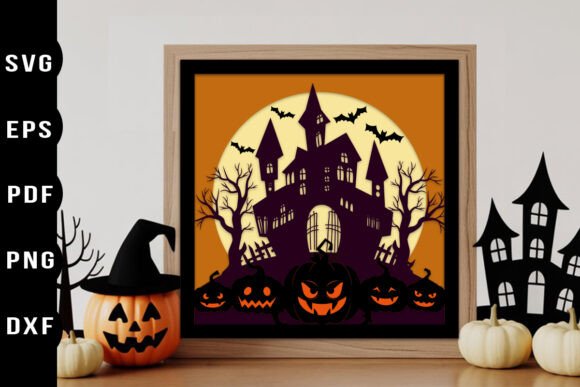
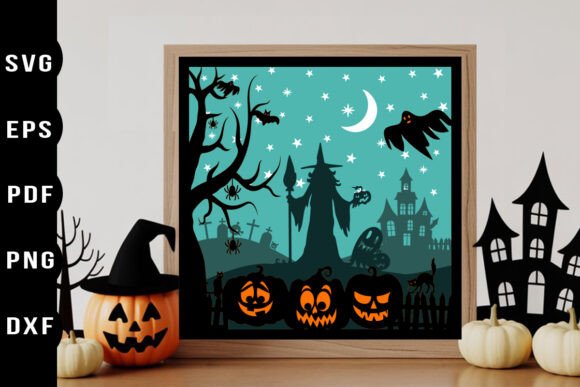
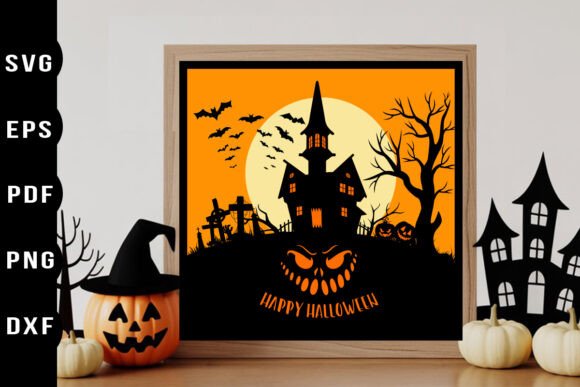
The immediate impact of this design is atmospheric. It does not rely on cartoonish exaggeration; instead, it offers a silhouetted, gothic charm that feels appropriate for modern Halloween decor. The layout is balanced, with a central haunted structure flanked by organic elements like twisted trees or swirling mist, depending on the specific layer configuration. For an embroidery project, this silhouette-heavy approach is advantageous. It means the design relies on shape rather than microscopic internal detail, which is crucial for maintaining clarity once the needle hits the fabric.
The "layered" aspect suggests a depth that can be mimicked in embroidery through strategic color blocking. In a digital 3D SVG context, layers are physical separations. In embroidery, we interpret these layers through thread colors and stitch types. The dark, imposing nature of the haunted house lends itself beautifully to high-contrast thread choices, making it a standout candidate for seasonal merchandise.
Real-World Application: From Digital File to Finished Product
To truly test the viability of this asset, I imagined a specific client request: a limited-run collection of Halloween tote bags for a local boutique. The client wanted something spooky but sophisticated, avoiding the cheap look of mass-produced prints. This is where the Creepy Haunted House Layered SVG shines. When adapted for a tote bag design, the broad shapes of the house and surrounding foliage allow for efficient stitching without sacrificing visual impact.
I also considered its use in sweatshirt embroidery. A crewneck sweatshirt provides a stable, thick canvas that can handle moderate stitch density. Placing this design on the left chest or as a larger back piece creates a striking focal point. The jagged lines of the roof and trees translate well into satin stitches or dense fill stitches, giving the garment a textured, premium feel. For custom apparel, this design offers a unique alternative to standard pumpkin or ghost motifs, appealing to customers looking for darker, more architectural Halloween aesthetics.
Beyond apparel, the design has potential for home decor. Imagine this stitched onto a pillow cover using varying shades of grey and black thread to simulate the layered shadow effect. It becomes a subtle yet thematic accent piece that can remain relevant throughout the autumn season, not just on October 31st. This versatility increases the perceived value of the handmade product, allowing crafters to justify higher price points.
Technical Considerations for Embroiderers
While the visual appeal is high, practical execution requires attention to detail. Since this file originates as a 3D SVG intended for paper cutting, it may not come pre-digitized for embroidery. If you are working with a raw SVG, you must digitize it carefully. If it is already provided as an embroidery file, you must still verify the stitch types.
Stitch density is the primary concern. Layered papercut designs often feature overlapping elements. In embroidery, overlapping dense fills can create bulky, raised areas that may distort the fabric or break needles. I recommend reviewing the stitch map to ensure that underlying layers are not unnecessarily dense if they will be covered by subsequent layers. Using a combination of fill stitch for the main body of the house and satin stitch for borders or smaller details can help manage bulk while maintaining definition.
Hoop size is another critical factor. To preserve the intricate edges of the haunted house silhouette, you need a hoop that accommodates the full design without excessive resizing. Shrinking the design too much to fit a small 4x4 hoop could cause the finer details, such as window frames or tree branches, to merge into a solid blob of thread. Always check the recommended dimensions before committing to a project.
Fabric and Stabilizer Selection
The choice of fabric significantly affects the outcome of this design. For a personalized gift like a baby onesie, this design might be too heavy due to the required stitch count. However, for adult apparel and home goods, it performs well on medium-to-heavy weight fabrics. Cotton twill, denim, and canvas are ideal because they provide the stability needed to support the design without puckering.
When working with stretchy fabrics like jersey for t-shirts, a cut-away stabilizer is non-negotiable. The weight of the embroidery can pull on knit fabrics, causing distortion over time. For woven fabrics like those used in aprons or tea towels, a tear-away stabilizer may suffice, but testing is essential. I always advise stitching a test sample on scrap fabric of the same type to check for registration issues and thread tension.
Thread colors play a pivotal role in bringing out the "layered" effect. Instead of using a single black thread, consider using a gradient of dark greys, deep purples, or midnight blues. This technique mimics the shadow depth of the original papercut concept. On dark fabrics, you might need to use a lighter underlay or even an applique design technique where a piece of contrasting fabric is stitched down first, then the haunted house is embroidered on top. This reduces stitch count and adds a interesting textural contrast.
Commercial Viability and Brand Consistency
For Etsy sellers and small shop owners, this design offers a strong commercial advantage. It fits neatly into the "spooky chic" niche, which has a dedicated customer base. When creating printable mockup images for your online store, ensure the lighting highlights the texture of the stitches. Customers buying digital embroidery files or finished items want to see the quality of the work. A well-executed version of the Creepy Haunted House Layered SVG can enhance brand consistency by establishing a signature style that is recognizable and professional.
However, transparency is key. If you are selling the finished item, clarify that it is machine embroidered. If you are selling the digital file, ensure you have the correct commercial license. Never assume that purchasing a file grants unlimited commercial rights; always read the terms provided by the creator. This protects your craft business from legal issues and builds trust with your peers in the creative community.
Final Verdict and Designer Notes
The Creepy Haunted House Layered SVG is a compelling asset for designers willing to put in the technical groundwork. It is not a plug-and-play solution for every fabric type, but with proper digitizing adjustments and material selection, it yields impressive results. It excels in projects where atmosphere and silhouette are more important than photorealistic detail.
- Test first: Always stitch out on scrap fabric to check density and registration.
- Check contrast: Ensure thread colors stand out against the fabric background.
- Manage bulk: Avoid excessive overlapping of dense fill stitches.
- Verify licensing: Confirm commercial use rights before selling finished products.
- Consider applique: Use fabric layers to reduce stitch count and add texture.
In conclusion, this design is a valuable addition to your library for holiday embroidery projects. It bridges the gap between trendy papercut aesthetics and traditional textile art, offering a fresh look for commercial embroidery and personal crafts alike. With careful execution, it can elevate your small shop product lineup and delight customers looking for something uniquely spooky.