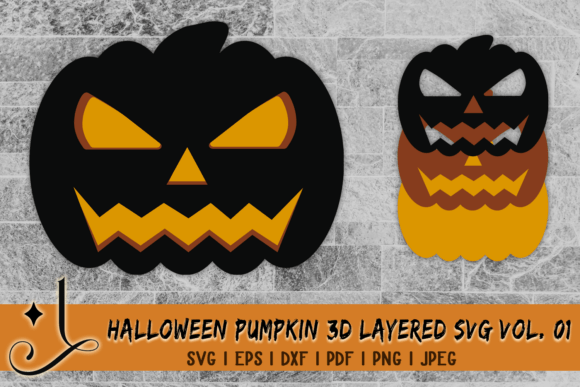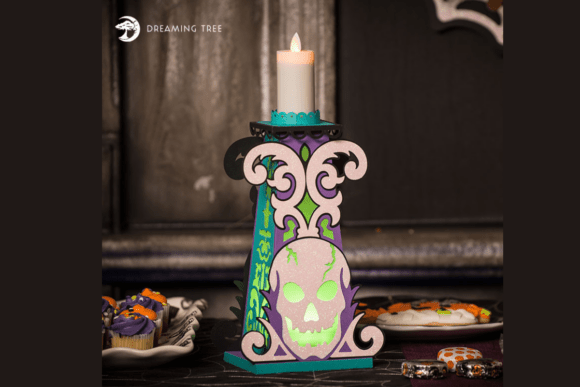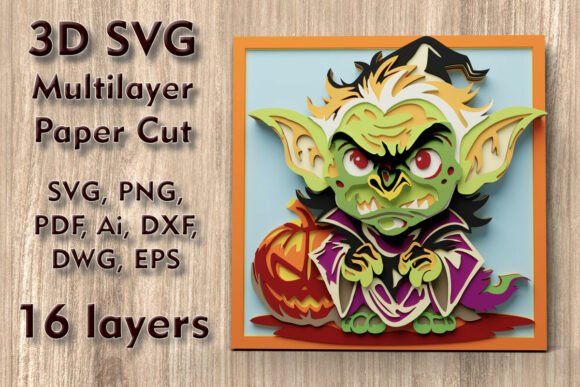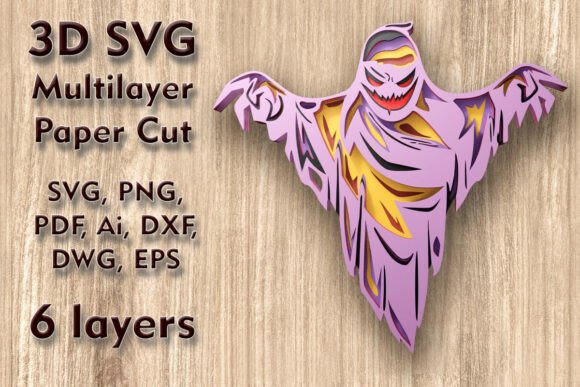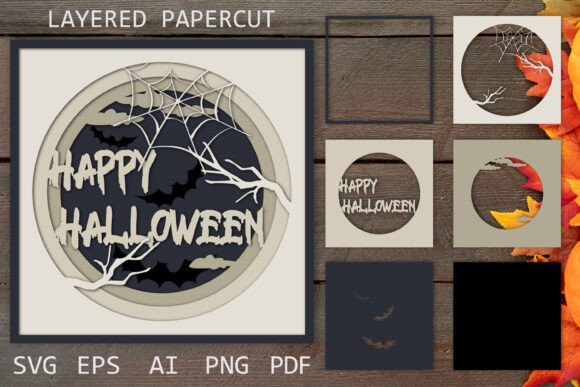
Reviewing the Happy Halloween 3D Layered Paper Cut Design
As a designer who spends half my life staring at digitized files and the other half watching needles punch through fabric, I have learned to be skeptical of trendy graphics. We see countless seasonal assets flood the market every October, but few translate well from a flat screen to a textured, stitched reality. When I first opened the Happy Halloween 3D Layered Paper Cut file, my initial reaction was cautious curiosity. The visual style mimics the popular shadow box aesthetic, relying on depth and silhouette rather than intricate internal detailing. For an embroidery project, this is often a blessing in disguise.
The mood this design creates is whimsical yet sophisticated. It avoids the gory or overly childish tropes common in holiday embroidery, opting instead for a clean, architectural look. This makes it versatile. It does not scream "costume party" so much as it whispers "autumn decor." For small business owners and Etsy sellers, this distinction is crucial. A design that feels too juvenile limits your customer base to parents of young children, whereas a refined graphic like this appeals to home decorators, boutique shoppers, and adults looking for subtle seasonal accents.
Real-World Application: The Tote Bag Test
To truly evaluate a machine embroidery design, you must imagine it on a physical product. I recently considered this asset for a custom run of canvas tote bags intended for a local craft fair. The goal was to create a handmade product that felt premium enough to justify a higher price point. The layered paper cut style worked exceptionally well here because the bold shapes hold up against the coarse weave of canvas.
When stitching on textured fabrics like canvas or denim, fine details often get lost. However, the structural integrity of the Happy Halloween 3D Layered Paper Cut relies on larger forms. In my test run, I used a combination of satin stitch for the borders and fill stitch for the background layers. The result was crisp. The design did not buckle or pull excessively, provided I used a heavy-cut stabilizer. For Etsy sellers focusing on tote bag design or custom apparel, this reliability is key. Customers expect durability, and a design that maintains its shape after washing builds trust.
Navigating Fabric and Hoop Constraints
While the design is robust, it is not without its challenges. The "3D" effect in digital graphics is achieved through overlapping layers and drop shadows. In embroidery, we simulate depth through thread color variation and stitch direction. If you are working with a small hoop size, such as a 4x4 inch hoop for an embroidered patch or a cap, you may need to simplify the file. Check the original description to see if multiple sizes are included. If not, you might need to resize carefully, ensuring that tiny connecting bridges between layers do not become too thin to stitch securely.
Dark fabric presents another consideration. The layered paper cut style often uses light colors to simulate illumination. On a black sweatshirt or navy apron, ensure your thread colors have enough contrast. I recommend testing the design in a black-and-white mockup first. If the layers blend into a gray mush on screen, they will lack definition on the garment. For sweatshirt embroidery, where the fabric is thick and fuzzy, consider using a topping stabilizer to keep the stitches sitting on top of the fibers rather than sinking in.
Commercial Viability and Brand Consistency
For creative entrepreneurs, consistency is brand currency. Using a cohesive set of design assets helps customers recognize your work. The Happy Halloween 3D Layered Paper Cut fits seamlessly into a modern, minimalist brand aesthetic. It works well for holiday embroidery projects that extend beyond just October, such as autumn-themed home decor. Think pillow covers, kitchen towels, or wall hangings. These items have a longer shelf life than costume-specific gear, allowing you to sell them from September through November.
However, always verify the licensing terms. The product description mentions it can be used for gifts and decorations, but as a commercial embroidery professional, you must confirm if the digital embroidery file license permits selling finished physical goods. Never assume. If the license is unclear, contact the creator. Protecting your craft business from copyright issues is just as important as selecting the right thread.
Technical Notes for the Stitcher
Before committing to a full production run, follow these practical steps:
- Test on scrap fabric: Always stitch out the design on the same material you plan to use for the final product. This reveals any tension issues or registration errors.
- Check stitch density: Layered designs can become dense where overlaps occur. High density can cause puckering, especially on lighter fabrics. If the file allows, reduce density in overlapping areas.
- Inspect small details: Look for tiny anchor points or connecting stitches that might break during wear. Reinforce these areas if necessary.
- Contrast is king: Use thread colors that clearly differentiate each layer. Monochromatic schemes can look elegant but require precise stitch direction changes to show separation.
- Verify file formats: Ensure the download includes the format compatible with your machine. Common formats include PES, DST, and EXP. If not listed, ask the seller.
Final Verdict
The Happy Halloween 3D Layered Paper Cut is a strong contender for designers who value clean lines and modern aesthetics. It translates well from a Graphics concept to a tangible finished product, provided you respect the limitations of thread and fabric. It is not just a personalized gift idea; it is a viable asset for building a seasonal collection. Whether you are creating baby embroidery for a nursery mobile or custom apparel for a boutique, this design offers the flexibility and visual appeal needed to stand out in a crowded market. Just remember to stitch smart, check your licenses, and let the quality of your execution speak for itself.