Reviewing the Christmas House Shadow Box Design
As an embroidery designer who has spent countless hours digitizing and testing files for client projects, I approach every new machine embroidery design with a mix of curiosity and caution. The market is flooded with holiday motifs, but few capture the cozy, layered aesthetic of a paper-cut scene as effectively as the Christmas House Shadow Box. This isn’t just another snowflake or generic tree; it is a structured, architectural piece that demands attention to detail in both digitization and execution. When I first loaded this file into my software, I wasn’t looking at a simple outline. I was looking at a potential centerpiece for a high-end handmade product line.
First Impressions and Visual Mood
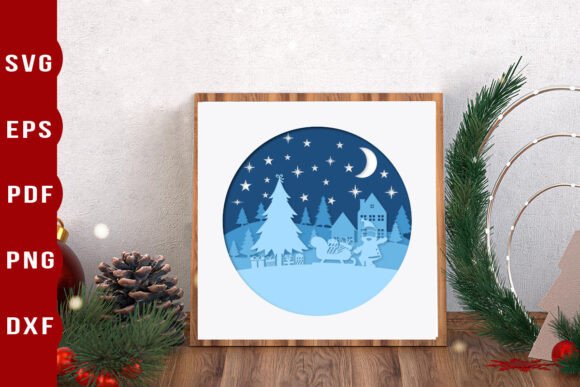
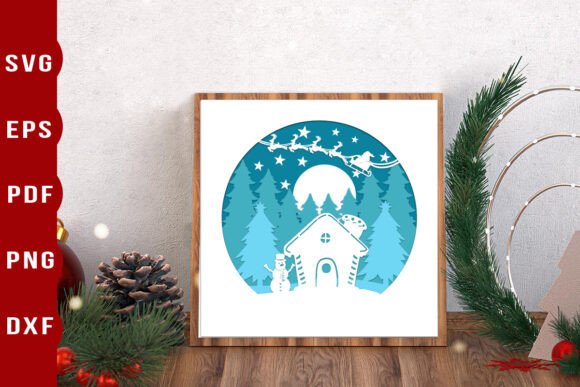
The immediate appeal of the Christmas House Shadow Box lies in its depth. Even though we are working with thread on fabric, the design mimics the popular papercut shadow box trend. It creates a sense of dimensionality that flat designs often lack. The layout features a central cottage structure, likely surrounded by winter foliage or framing elements, designed to look like layers peeking through a window. For an embroidery project, this translates to a need for precise color blocking. The visual personality is warm, nostalgic, and intricate. It feels less like a quick craft store addition and more like a boutique item you would find in a high-end home decor shop.
For Etsy sellers and small shop product creators, this mood is crucial. Customers are increasingly drawn to items that tell a story. A sweatshirt featuring this design doesn’t just say "Christmas"; it says "cozy winter evening." That emotional connection drives sales. However, achieving this look requires us to think beyond the screen and consider how the thread colors interact on actual fabric.
Real-World Application: The Custom Sweatshirt Test
To truly evaluate the Christmas House Shadow Box, I imagined a specific real-life scenario: creating a limited run of custom holiday sweatshirts for a local boutique. The goal was to offer a personalized gift option that felt substantial and valuable. I placed the design on the left chest area of a heavy-weight cotton blend fleece. This is where the practical challenges begin.
The design’s complexity means it relies heavily on fill stitch areas to create the solid blocks of color typical of shadow box art. On a thick fabric like fleece, these dense areas can cause pulling if not managed correctly. I found that the design performed best when scaled appropriately for a 5x7 or larger hoop, allowing the details to breathe. If you attempt to shrink this down for a small pocket placement on a baby onesie, you risk losing the definition of the house windows and rooflines. The stitch density must be balanced with the fabric’s ability to support the weight of the thread.
For custom apparel, the contrast is key. I tested the design on a heather grey sweatshirt using deep forest greens, burgundy, and cream threads. The result was striking. The satin stitch borders helped define the edges of the "paper" layers, giving the illusion of cutouts. This level of clarity builds customer trust. When a buyer sees a crisp, well-defined image rather than a muddy blob of thread, they perceive higher value. This is essential for maintaining brand consistency in a competitive craft business.
Navigating Fabric and Hoop Constraints
While the Christmas House Shadow Box is versatile, it is not universal. There are specific situations where I would advise caution. First, avoid using this design on highly textured or loose-weave fabrics without a strong cut-away stabilizer. The intricate corners and small details can get lost in the nap of a fluffy towel or the weave of a linen tea towel. For tote bag design applications, canvas works beautifully because it provides a stable, flat surface that holds the stitch definition well.
Curved surfaces present another challenge. Embroidering this on a cap or hat requires careful hooping and potentially splitting the design if it exceeds the curved area’s limits. The rigid, box-like nature of the shadow box aesthetic can look distorted if stretched over a rounded crown. Similarly, be wary of using this on stretchy knits without proper stabilization. The running stitch underlays must be sufficient to anchor the design, but the top stitches should not be so dense that they cause the garment to pucker after washing.
Dark fabrics require strategic thread choices. If you are stitching on black or navy, ensure your design includes light-colored highlights to maintain visibility. A digital embroidery file that looks great on a white background might disappear on dark denim. Always test your thread color combinations on scrap fabric before committing to the final finished product.
Commercial Viability and Designer Notes
From a commercial perspective, the Christmas House Shadow Box is a strong asset for holiday collections. It fits seamlessly into categories like holiday embroidery for home decor, such as pillow covers or wall hangings. It also works well for embroidered patch creation, where the defined edges allow for clean cutting and application onto jackets or bags. For commercial embroidery shops, this design offers a premium look that justifies a higher price point compared to simpler monograms.
However, before listing this as a design asset or selling finished items, there are critical steps to take. Since the product description mentions it is a 3D SVG intended for papercut decoration, verify the license terms for embroidery use. Not all SVG files are optimized for machine stitching. Ensure you have the correct embroidery file format (such as PES, DST, or EXP) compatible with your machine. Check the stitch count and estimated run time. A complex shadow box design can take a significant amount of machine time, which impacts your production costs.
Always inspect the small details. Zoom in on the digital preview to check for tiny, isolated stitches that might cause thread breaks. Use a printable mockup to visualize the size on different products. Compare how the design looks in black and white to ensure the contrast holds up even without color. These practical checks prevent costly mistakes and ensure that every item leaving your studio meets professional standards.
Final Verdict for Makers
The Christmas House Shadow Box is a thoughtful, visually rich design that rewards careful execution. It is not a plug-and-play solution for every fabric or hoop size, but for the right application—such as a structured tote, a heavy sweatshirt, or a framed textile art piece—it delivers exceptional results. It elevates the perceived quality of your small shop product and offers customers a unique, artistic alternative to standard holiday motifs. By respecting the design’s complexity and preparing your materials accordingly, you can create stunning personalized gifts and merchandise that stand out in a crowded market. Treat it with the precision it deserves, and it will become a staple in your seasonal portfolio.